
Timeline of the American Revolution
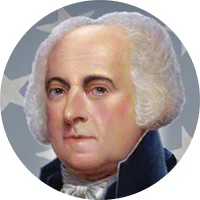 John Adams,
 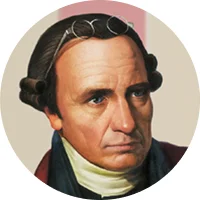 Patrick Henry,
 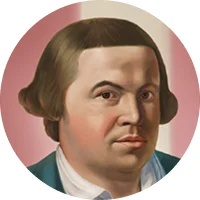 Paul Revere, and
 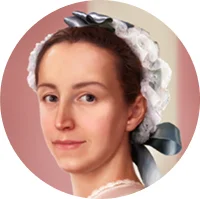 Mercy Otis Warren notably oppose the Stamp Act
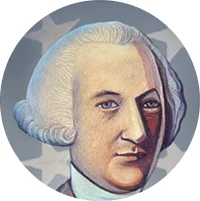 John Dickinson serves as a delegate to the Stamp Act Congress
John Dickinson publishes Letters from a Farmer in Pennsylvania
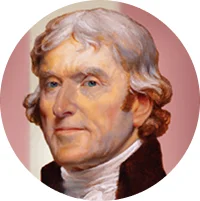 Thomas Jefferson admitted to the Virginia bar
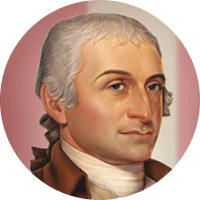 John Jay begins practicing law
Thomas Jefferson elected to the Virginia House of Burgesses
Paul Revere witnesses the Boston Massacre and engraves a famous depiction of the event
John Adams gains prominence for defending British soldiers charged after the Boston Massacre
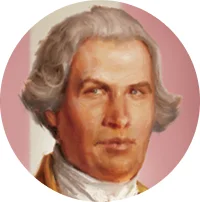 Nathanael Greene helps organize a local militia unit
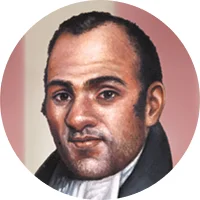 Lemuel Haynes writes Liberty Further Extended
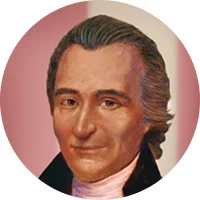 Thomas Paine immigrates to America
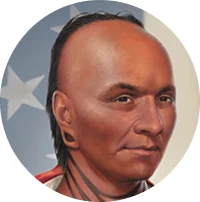 Agwalongdongwas begins making partnerships with patriot allies and works to secure Oneida support
Patrick Henry warns that liberty cannot be preserved through moderation alone
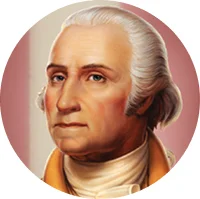 George Washington appointed commander-in-chief of the Continental Army
John Dickinson, 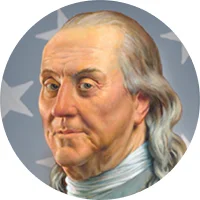 Benjamin Franklin, Patrick Henry, John Jay, Thomas Jefferson,
 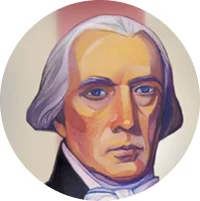 James Madison, and George Washington serve as delegates to the Second Continental Congress
Paul Revere's midnight ride warns leaders in Lexington and Concord that British troops were marching to seize stockpiled weapons
Nathanael Greene appointed brigadier general in Rhode Island Army and participates in siege of Boston after Battles of Lexington and Concord
Mercy Otis Warren begins writing plays and pamphlets satirizing British policies
Thomas Paine publishes Common Sense
 Abigail Adams presses John Adams to "remember the ladies"
Benjamin Franklin arrives in France as a diplomat
Thomas Jefferson drafts the Declaration of Independence
John Dickinson abstains from signing the Declaration of Independence but helps draft the Articles of Confederation
George Washington crosses the Delaware River and leads the Army to victory at the Battle of Trenton
Nathanael Greene promoted to major general in the Continental Army and plays key role in Battles of Harlem Heights and Trenton
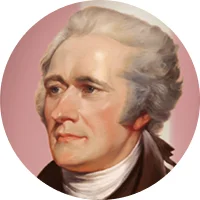 Alexander Hamilton fights in the Battle of Long Island
Lemuel Haynes enlists in the Continental Army
Patrick Henry elected first governor of Virginia and goes on to serve three consecutive one-year terms
John Jay helps draft the New York Constitution while James Madison helps draft the Virginia Constitution
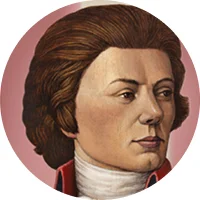 Thaddeus Kosciuszko arrives in Philadelphia, offers services to Continental Congress, and appointed colonel of engineers in the Continental Army
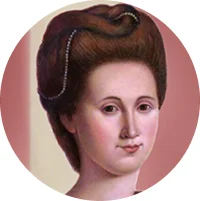 Esther DeBerdt Reed organizes the Ladies Association of Philadelphia
Paul Revere supervises foundries and manufacturing of cannons and other supplies for Massachusetts
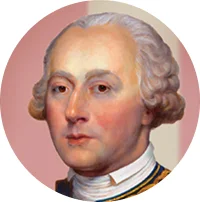 Bernardo de Gálvez appointed governor of Spanish Louisiana
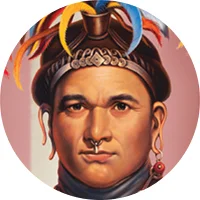 Cornplanter emerges as war chief of the Seneca and participates in campaigns alongside the British
Nathanael Greene fights in the Battle of Princeton and commands troops in the Battle of Germantown
George Washington winters at Valley Forge
Alexander Hamilton appointed aide-de-camp and military secretary to George Washington and plays central role in coordinating Continental Army strategy
Lemuel Haynes present at the Battle of Bemis Heights
Thaddeus Kosciuszko designs and strengthens fortifications at Saratoga
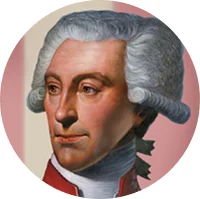 Marquis de Lafayette appointed major general in the Continental Army, wounded at Battle of Brandywine, and serves at Valley Forge
Thomas Paine continues to write essays supporting independence and civil liberties
Esther DeBerdt Reed writes The Sentiments of an American Woman
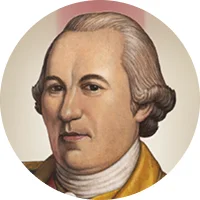 Baron von Steuben arrives in Philadelphia and assigned inspector general of the Continental Army
John Adams sent by Congress to France and the Netherlands to secure loans and diplomatic recognition
Baron von Steuben standardizes drills, organizes the Army, and writes a training manual
Lemuel Haynes discharged from military service
John Jay elected president of the Continental Congress
Thaddeus Kosciuszko supervises construction of fortifications at West Point along the Hudson River
Bernardo de Gálvez begins to lead military operations against British forts along the Mississippi River and Gulf Coast
Cornplanter participates in the Sullivan Expedition, an American campaign against Iroquois nations allied with the British
John Jay appointed minister to Spain
Thomas Jefferson serves as governor of Virginia
Marquis de Lafayette returns to France to secure more French military support
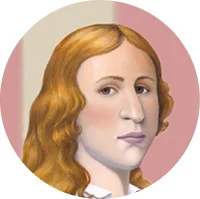 Deborah Sampson works as a teacher and seamstress in Sharon, Massachusetts
Agwalongdongwas taken prisoner at Fort Niagara while on diplomatic mission and held by the British for several years
John Adams drafts much of the Massachusetts Constitution, a model for the U.S. Constitution
Nathanael Greene assumes command of the Southern Department
Esther DeBerdt Reed co-founds the Ladies Association of Philadelphia
Bernardo de Gálvez captures Mobile from the British
Lemuel Haynes licensed to preach in the Congregational Church
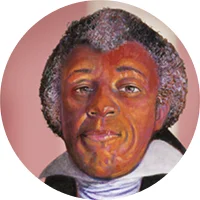 James Armistead shares intelligence that proves crucial during the Siege of Yorktown
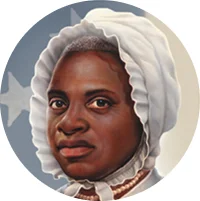 Elizabeth Freeman sues for her freedom
John Dickinson elected president (governor) of Delaware
Bernardo de Gálvez defeats British forces at Pensacola and secures West Florida for Spain
Nathanael Greene conducts campaign to reclaim South Carolina and fights in the Battle of Eutaw Springs, one of the last major battles in the South
Marquis de Lafayette conducts campaign in Virginia to contain British and coordinates with George Washington and French forces during the Siege of Yorktown
Baron von Steuben plays a key role in preparing troops leading up to the Siege of Yorktown
George Washington directs the Siege of Yorktown, leading to British surrender
Deborah Sampson disguises herself as a man to serve in the Continental Army
John Dickinson elected president of the executive supreme council (governor) of Pennsylvania
Alexander Hamilton advocates for stronger national government in Continental Congress
John Jay joins Benjamin Franklin in Paris to negotiate peace
John Adams, Benjamin Franklin, and John Jay help secure the Treaty of Paris
James Armistead returned to enslavement
Bernardo de Gálvez promoted to captain general of Cuba and Florida
Thaddeus Kosciuszko promoted to brigadier general
Deborah Sampson discovered as a woman while being treated for an illness, thus ending her military service
Baron von Steuben promoted to major general
George Washington returns to private life at Mount Vernon
Agwalongdongwas released by the British and resumes his leadership role within the Oneida nation
Marquis de Lafayette writes a testimonial about James Armistead's service
Baron von Steuben settles in New York and continues to advise on military issues
John Adams serves as U.S. minister to Great Britain
Bernardo de Gálvez appointed viceroy of New Spain (Mexico)
Lemuel Haynes becomes one of the first Black ordained ministers in the U.S.
Thomas Jefferson appointed U.S. minister to France
James Madison calls for stronger federal government at the Annapolis Convention
James Armistead is granted freedom by the Virginia General Assembly
John Dickinson, Benjamin Franklin, Alexander Hamilton, and James Madison participate in the Constitutional Convention, over which George Washington presides
Alexander Hamilton, John Jay, and James Madison co-author the Federalist Papers
Patrick Henry argues strongly against ratifying the U.S. Constitution without a bill of rights
George Washington begins his term as the first president of the United States
John Adams begins his term as the first vice president of the United States
Cornplanter engages in additional treaty conferences, helping shape land and peace settlements
Alexander Hamilton appointed first secretary of the Treasury
John Jay appointed first chief justice of the United States
Cornplanter delivers a speech in Pennsylvania advocating for his people's rights
Alexander Hamilton establishes the federal financial system
Thomas Jefferson becomes first secretary of state
Thomas Paine publishes Rights of Man, critiquing monarchy
Thomas Paine imprisoned in France during the Reign of Terror
John Jay selected governor of New York
John Adams inaugurated as second U.S. president as George Washington completes his term and retires
Cornplanter writes to George Washington about Seneca lands and rights
Thomas Jefferson inaugurated as third U.S. president
Deborah Sampson asks Congress for a military pension
Mercy Otis Warren publishes History of the Rise, Progress and Termination of the American Revolution