
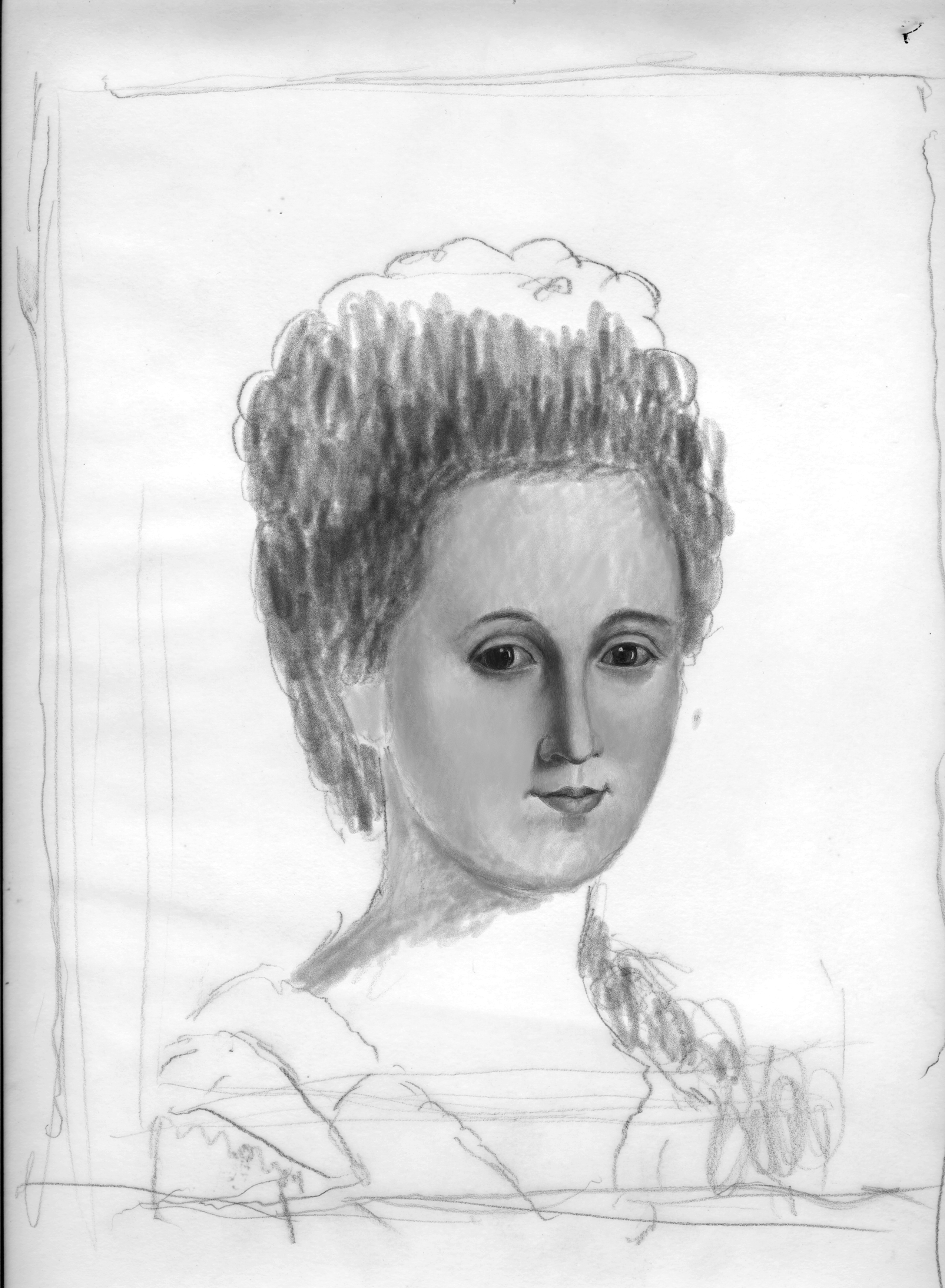
Figures of the American Revolution Stamps: Faces Behind the Fight for Independence
Bringing 25 Revolutionary figures together on one stamp pane
The story of the American Revolution isn’t about a single hero or select group of founders. It unfolded through the choices and actions of countless individuals — from soldiers and diplomats to writers and civic organizers — whose ingenuity, courage, and persistence shaped our shared history. Some names have endured through time. Others quietly influenced events from behind the scenes.
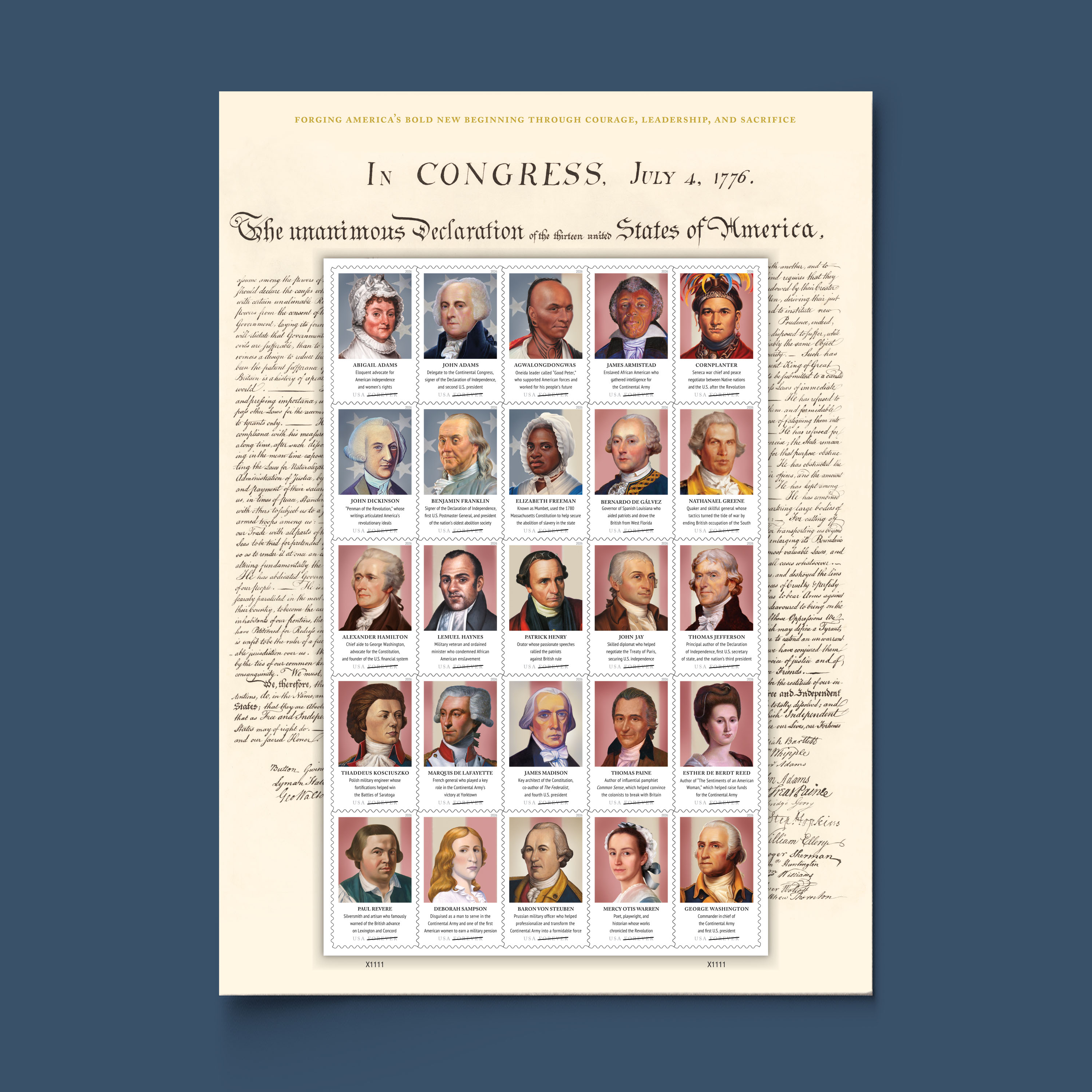
The Figures of the American Revolution stamp pane celebrates 25 of these individuals, creating a picture of the Revolution as a complex network of interconnected efforts. Soldiers depended on writers to inspire public support, diplomats depended on intelligence gathered in secret, and organizers sustained morale through the long years when victory was uncertain.
“It felt essential to include this many people. How else could we capture the Revolution in all its complexity and diversity?”
Assembled together, the people featured on the pane reveal how varied lives intersected to build independence, offering a chance to explore contrasts, connections, and the collective spirit of the era.
Honoring a Collective Story
Designing a pane with 25 portraits was ambitious and unusual. “It felt essential to include this many people,” says art director Ethel Kessler. “How else could we capture the Revolution in all its complexity and diversity?”
The first challenge was deciding who would appear. The Citizens’ Stamp Advisory Committee (CSAC) carefully reviewed suggestions submitted by the public, weighing a wide range of potential honorees. The committee faced a delicate balancing act: capturing influential figures while also reflecting the variety of roles and contributions that defined the era. The goal wasn’t to create an exhaustive list, explains former CSAC member Cheryl Ganz, but to represent the many ways people of all kinds helped make independence possible. Historians provided additional context, ensuring that each figure’s story was accurate and meaningful.
The final roster balances well-known figures with those less familiar, giving voice to a wider spectrum of people who shaped history.
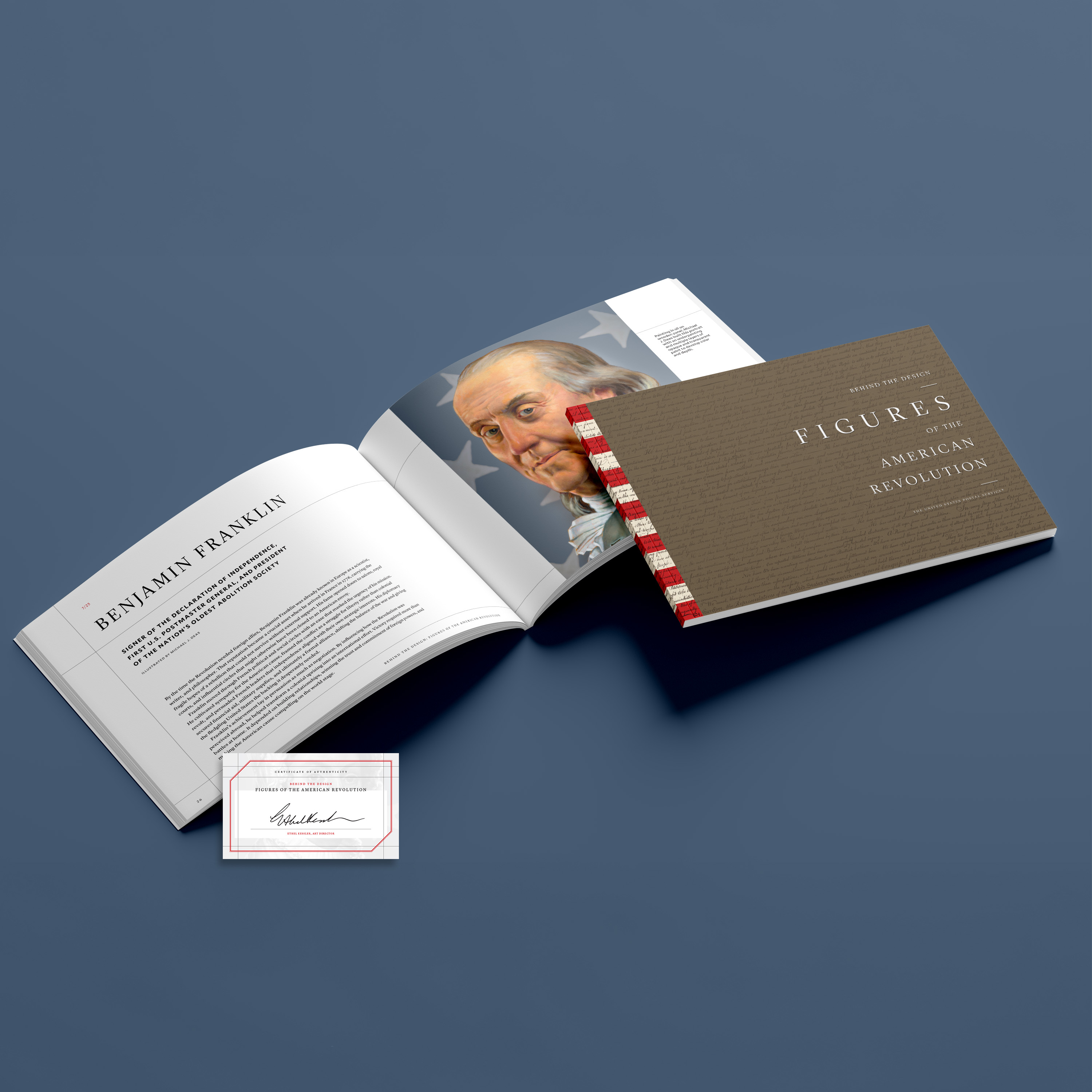
Behind the Design: Figures of the American Revolution Collector's Set

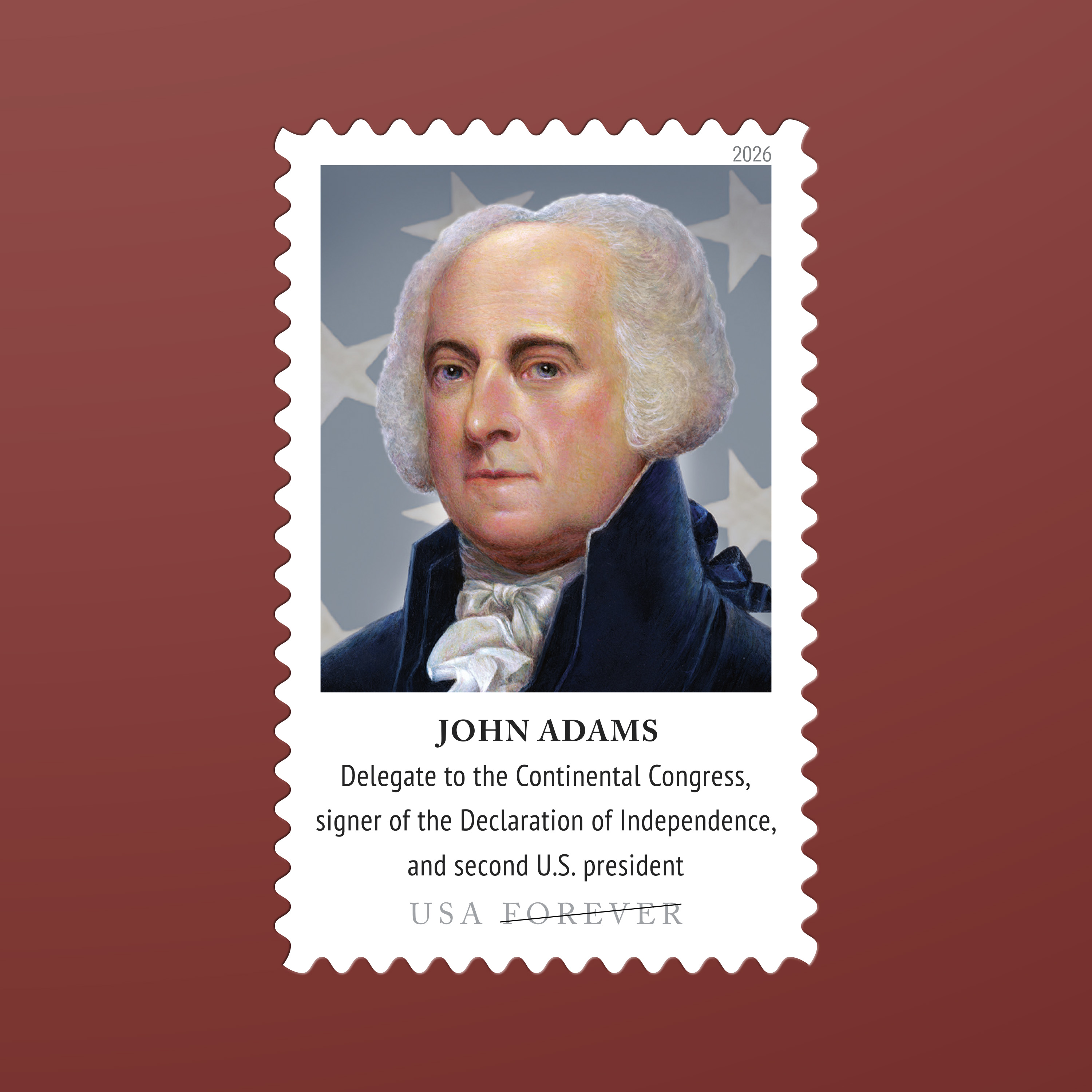

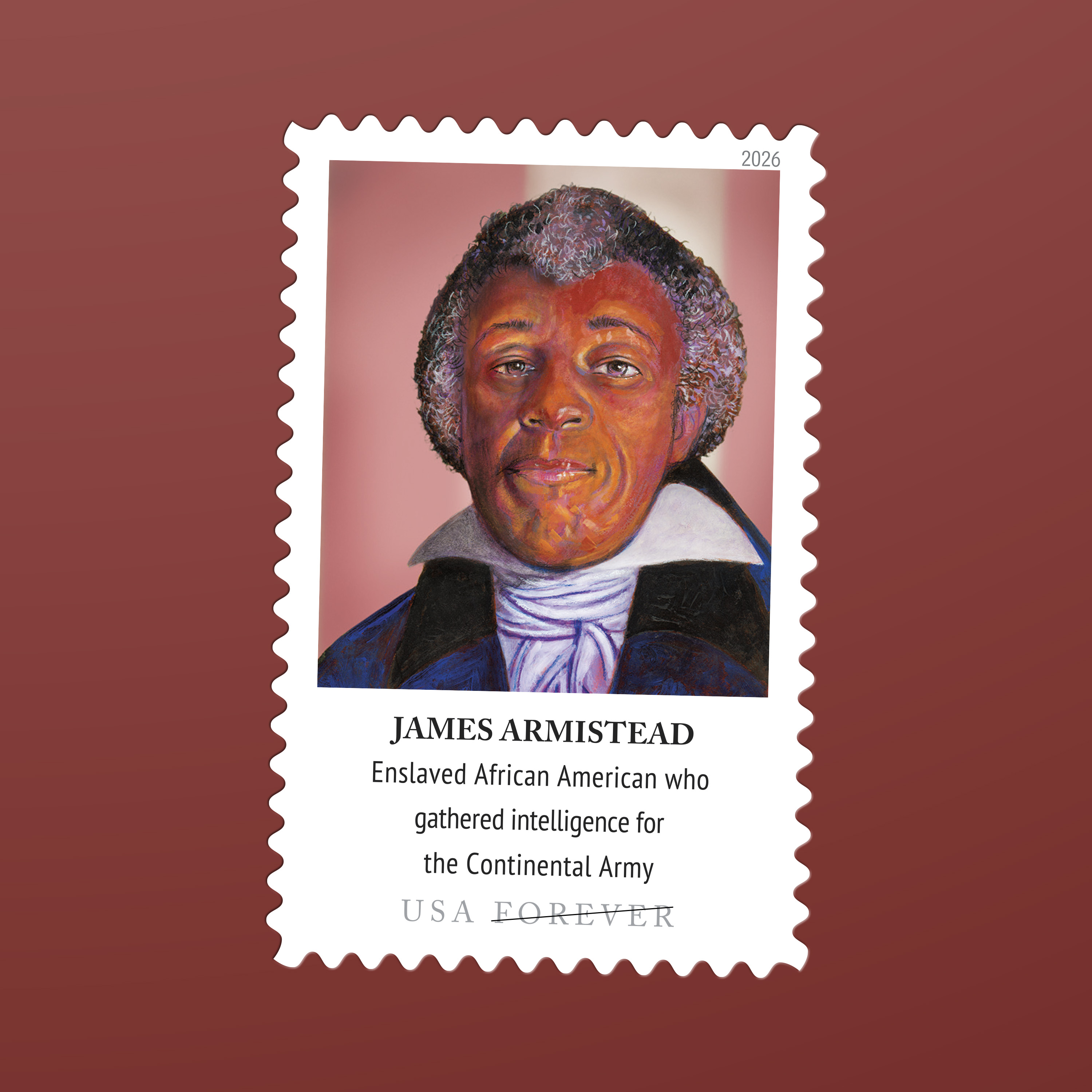
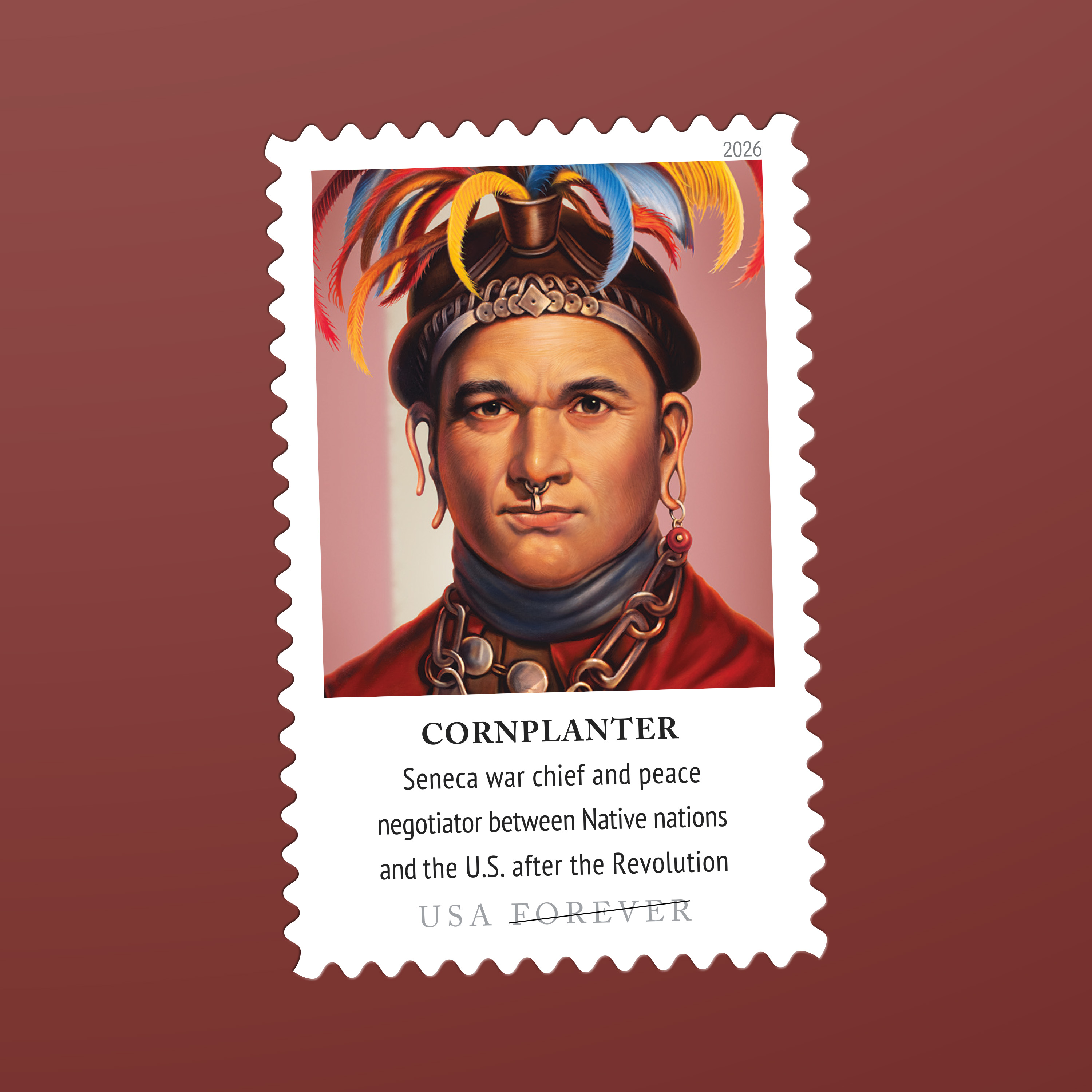
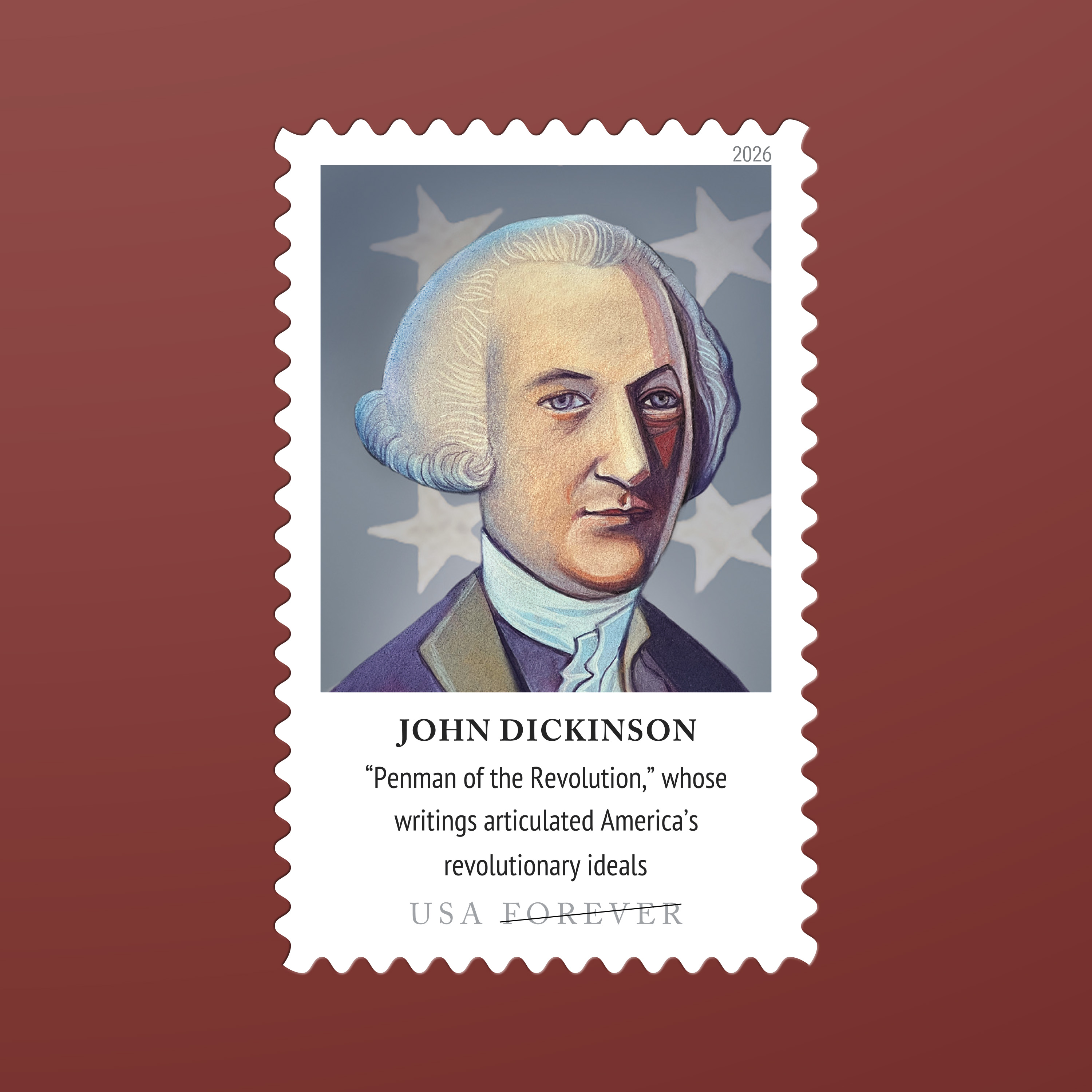
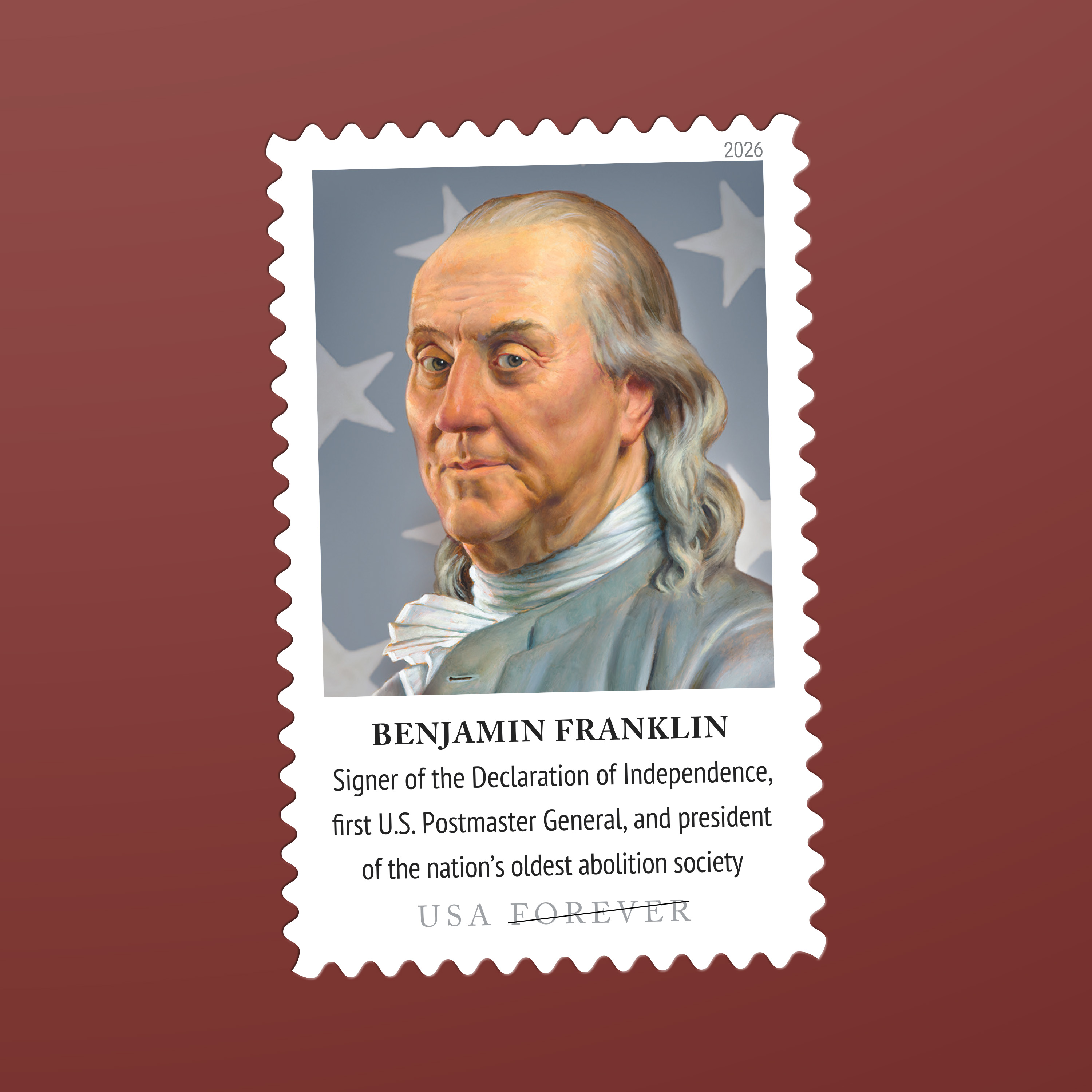
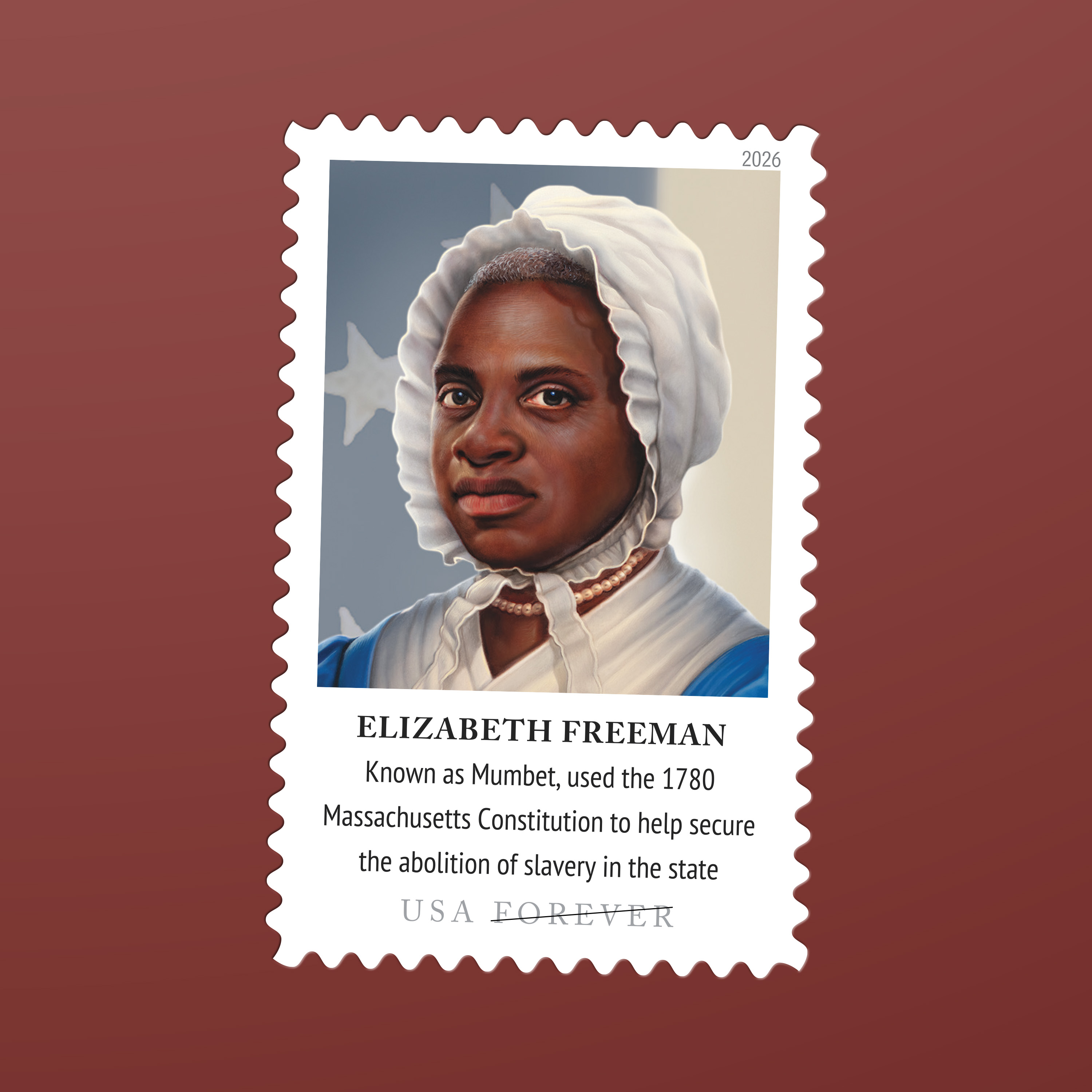
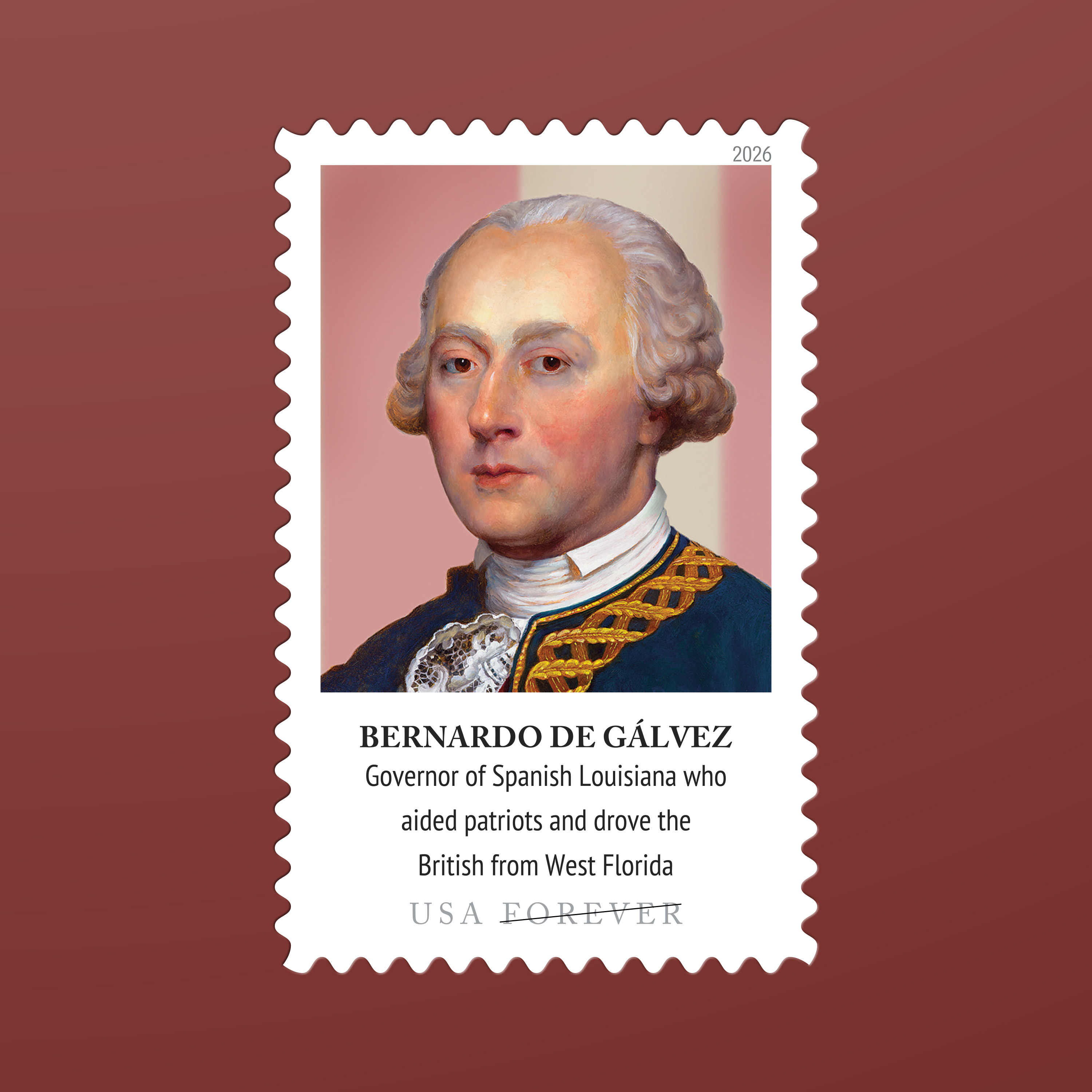
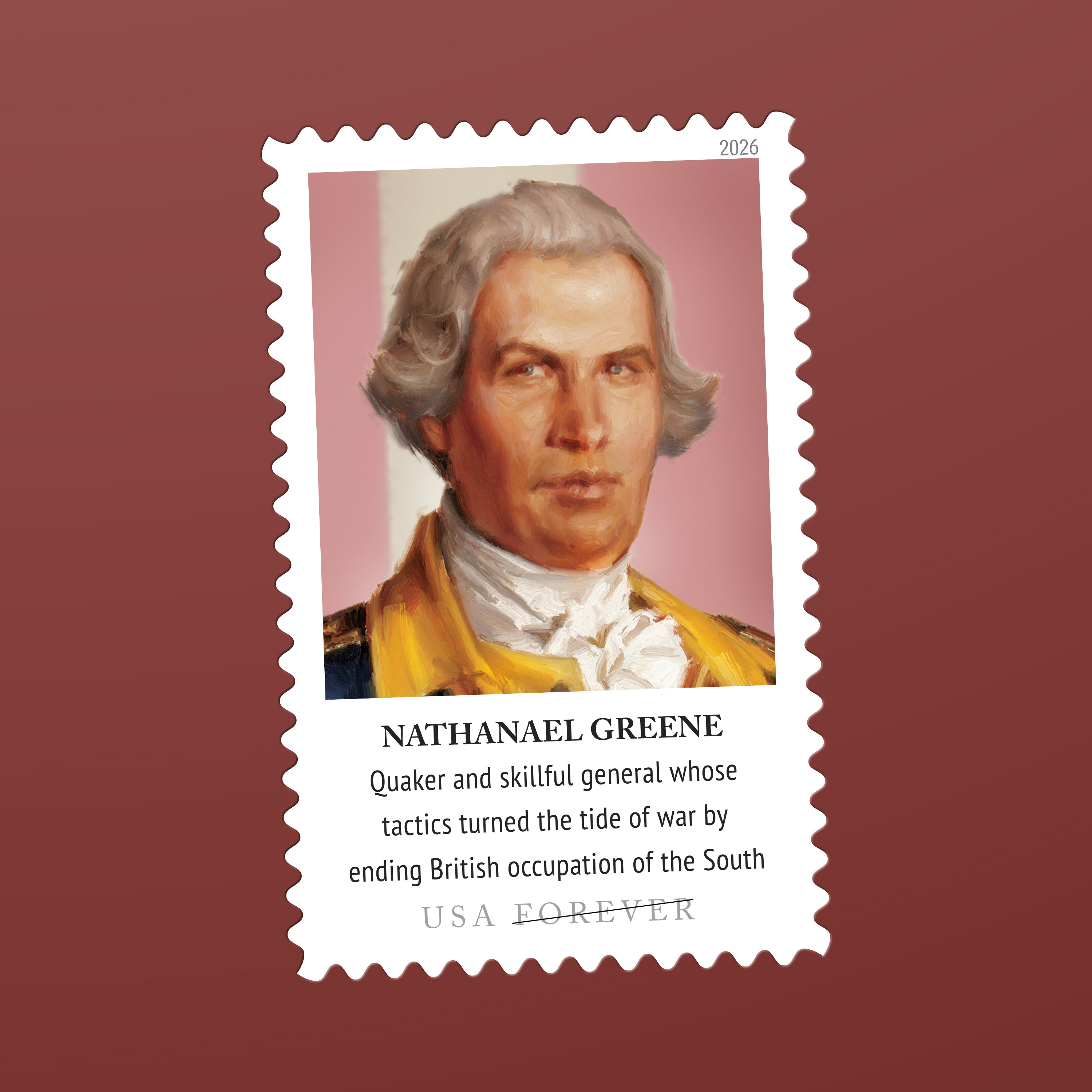
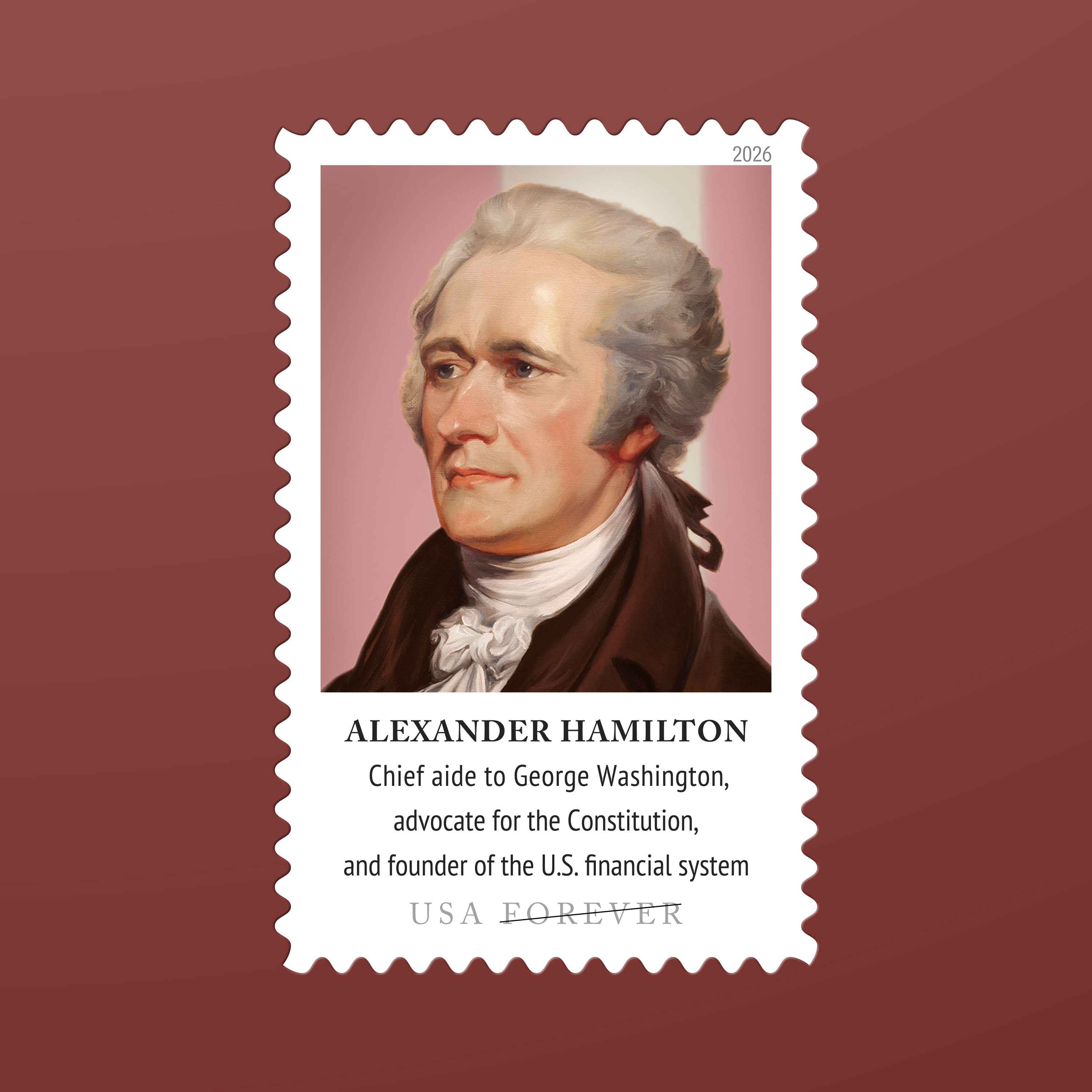
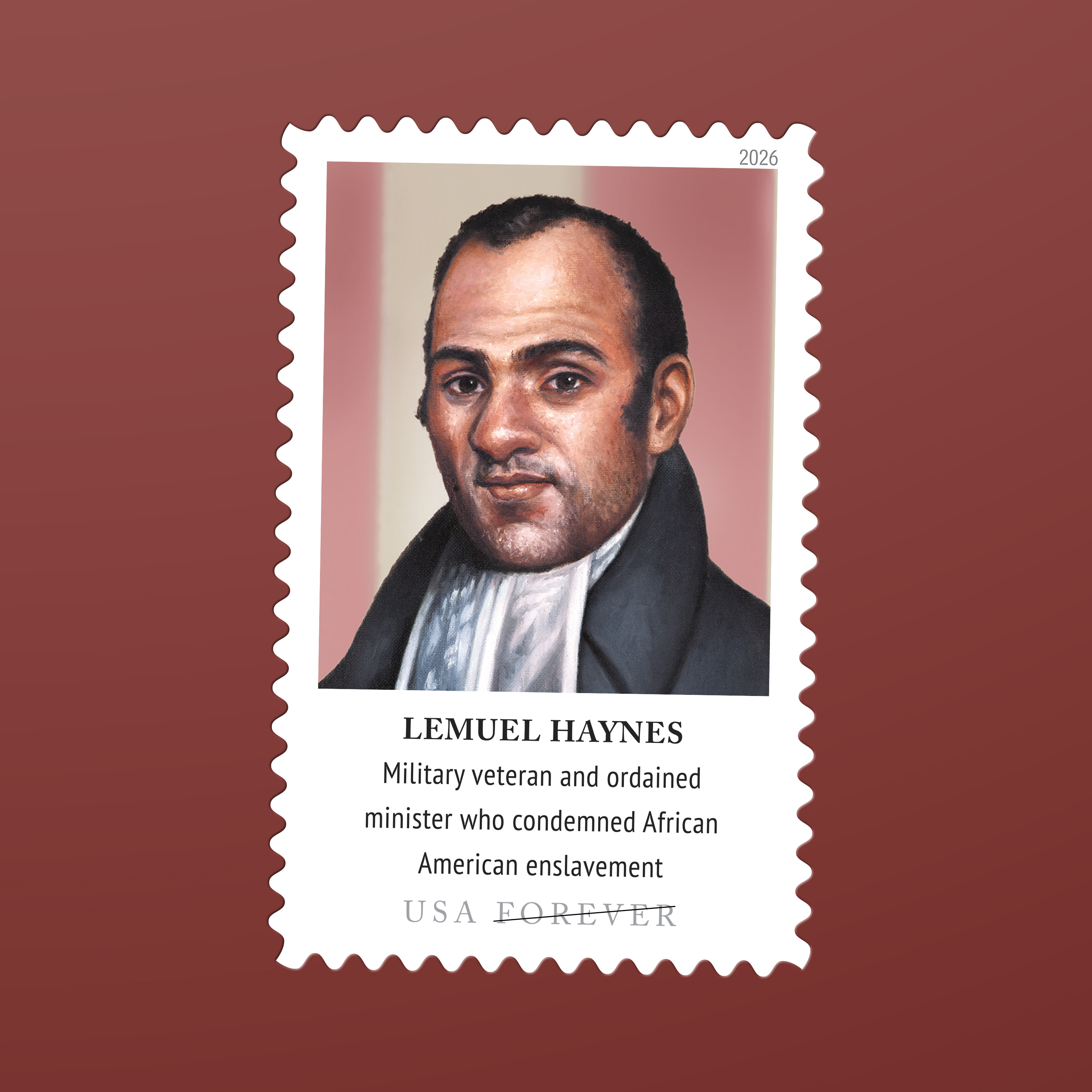

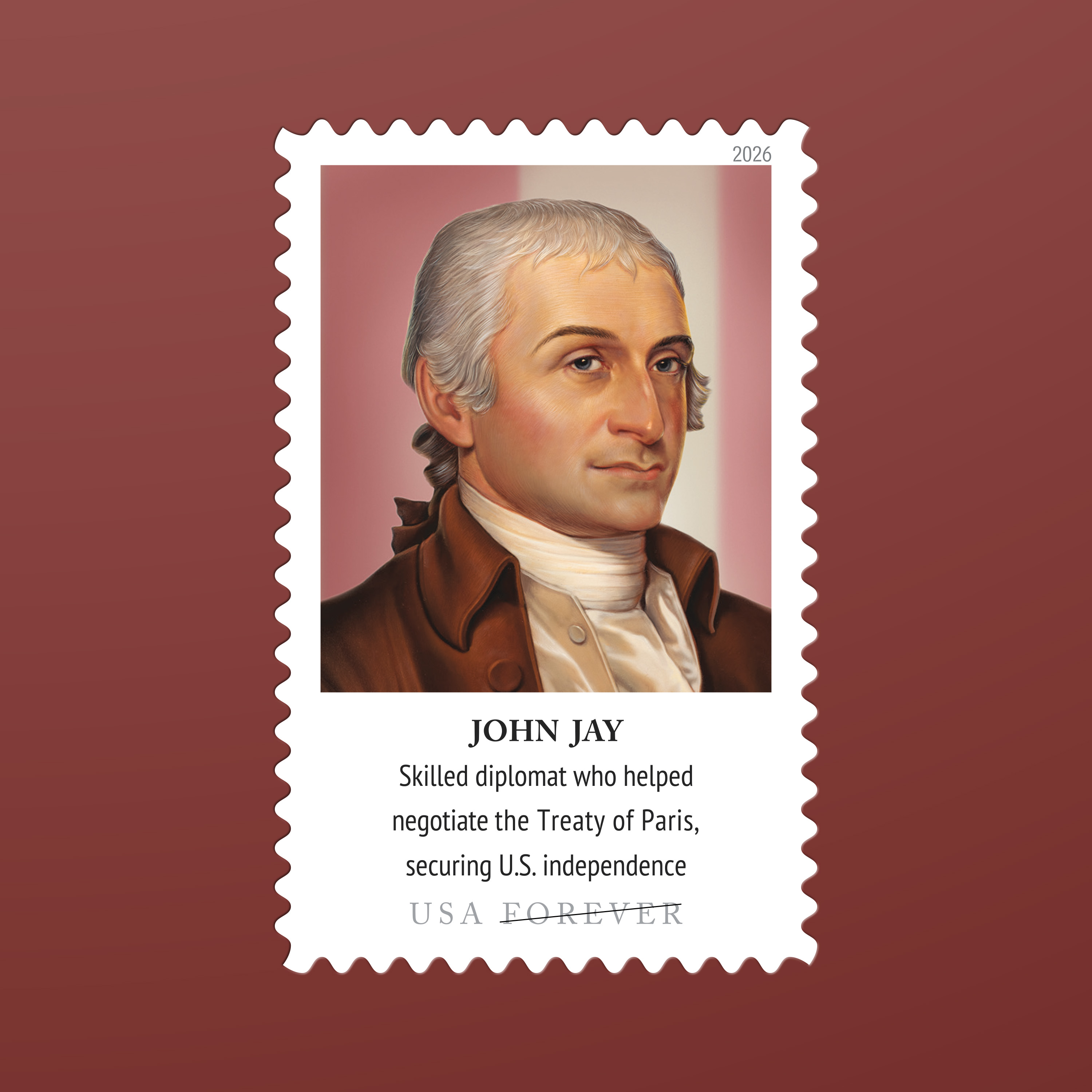
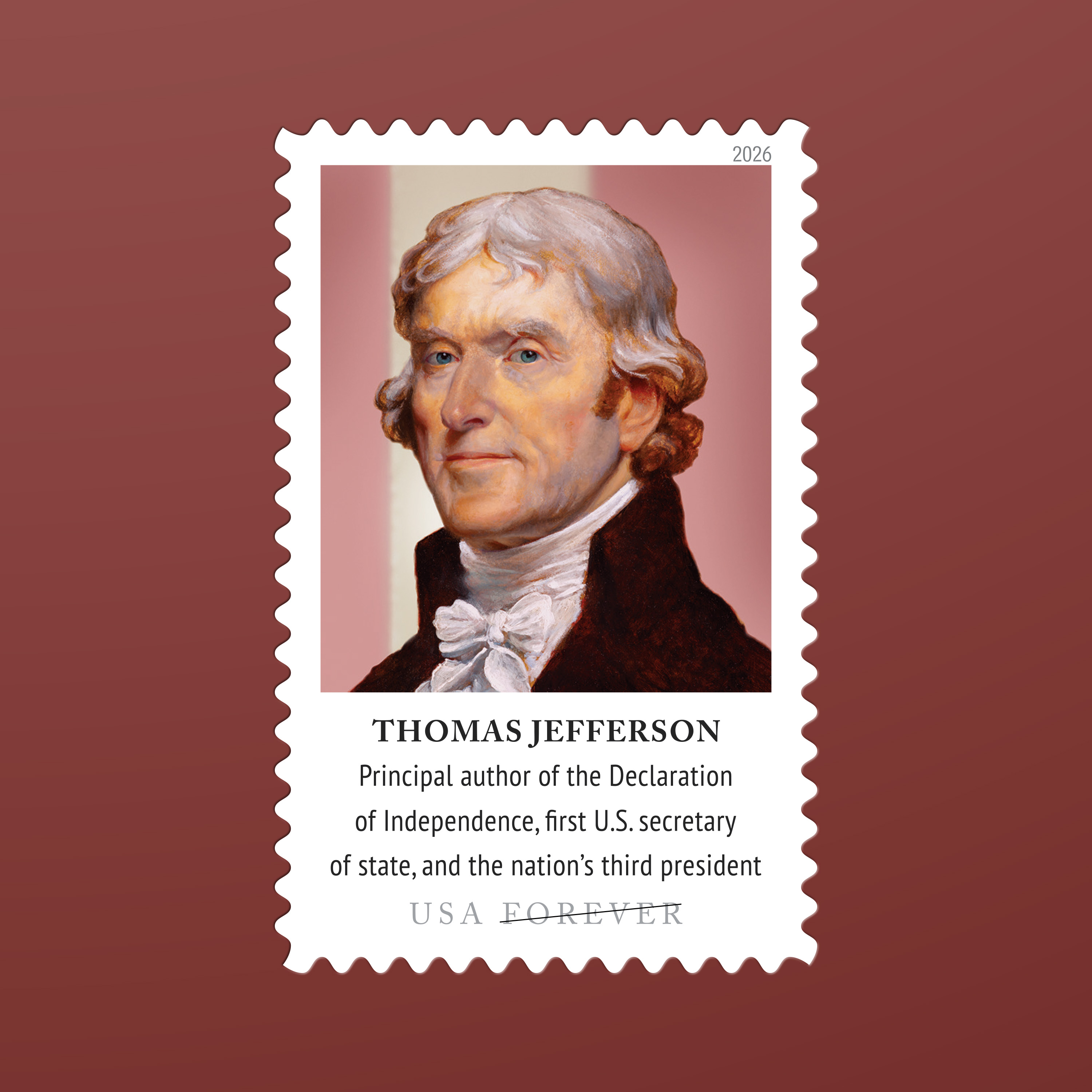
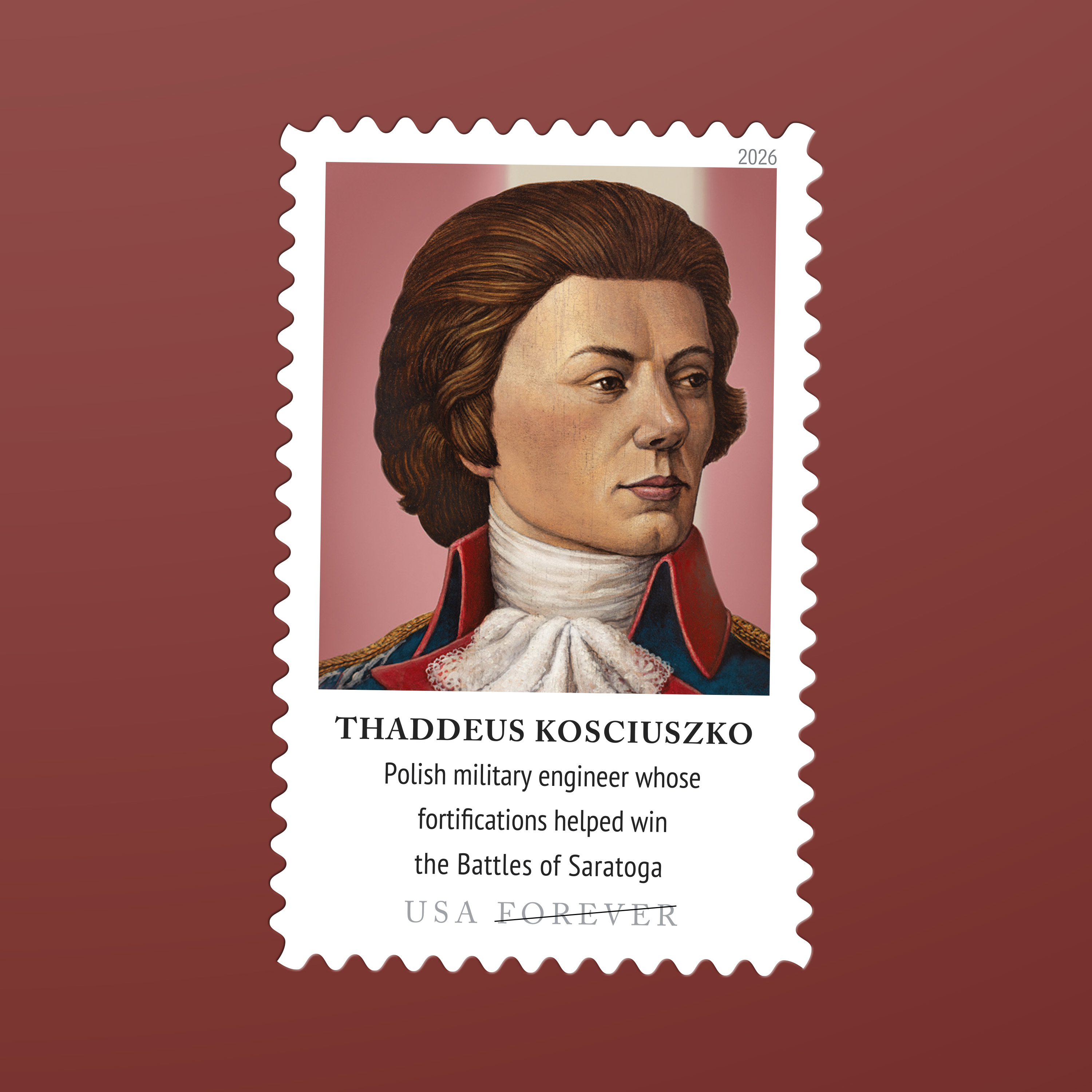
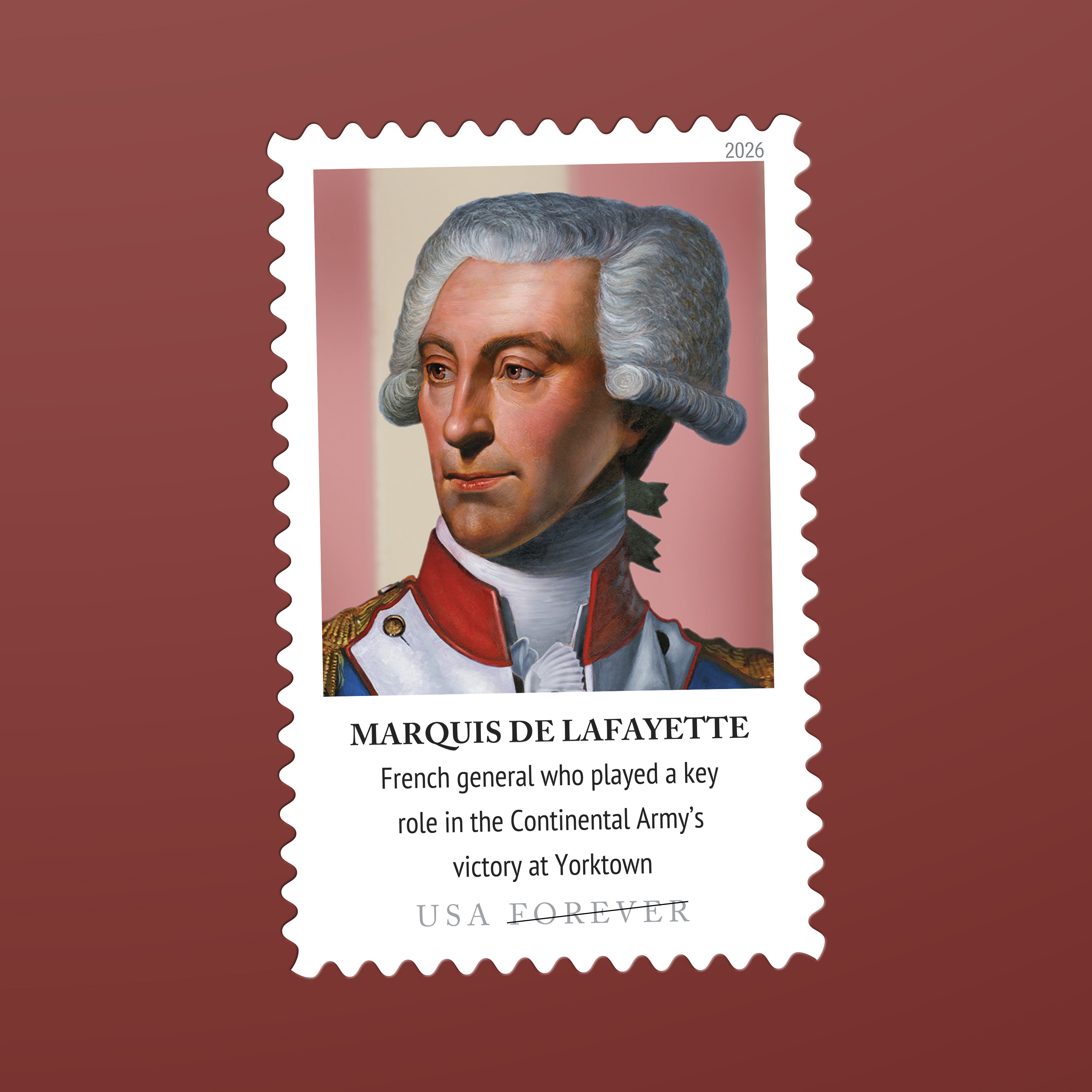
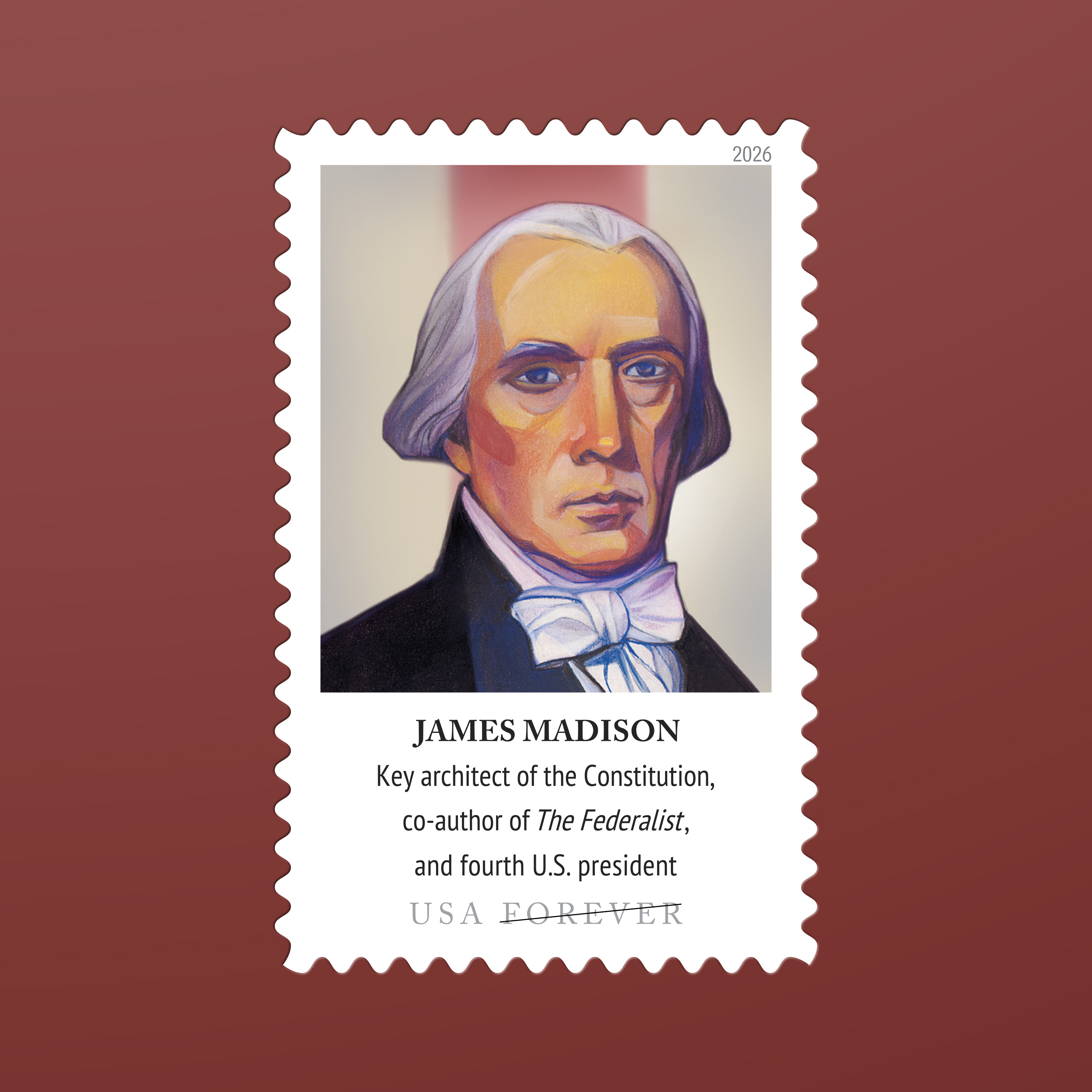
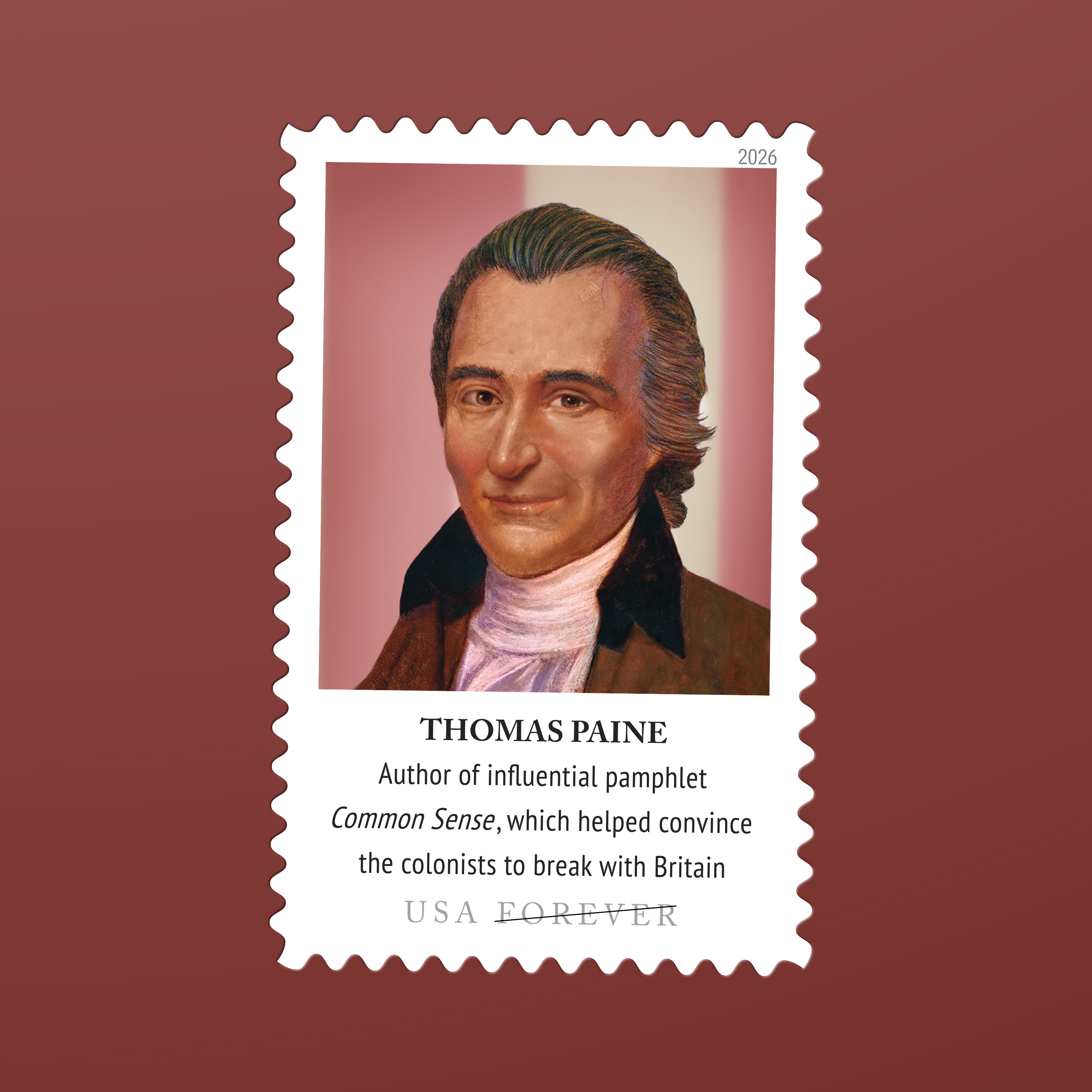
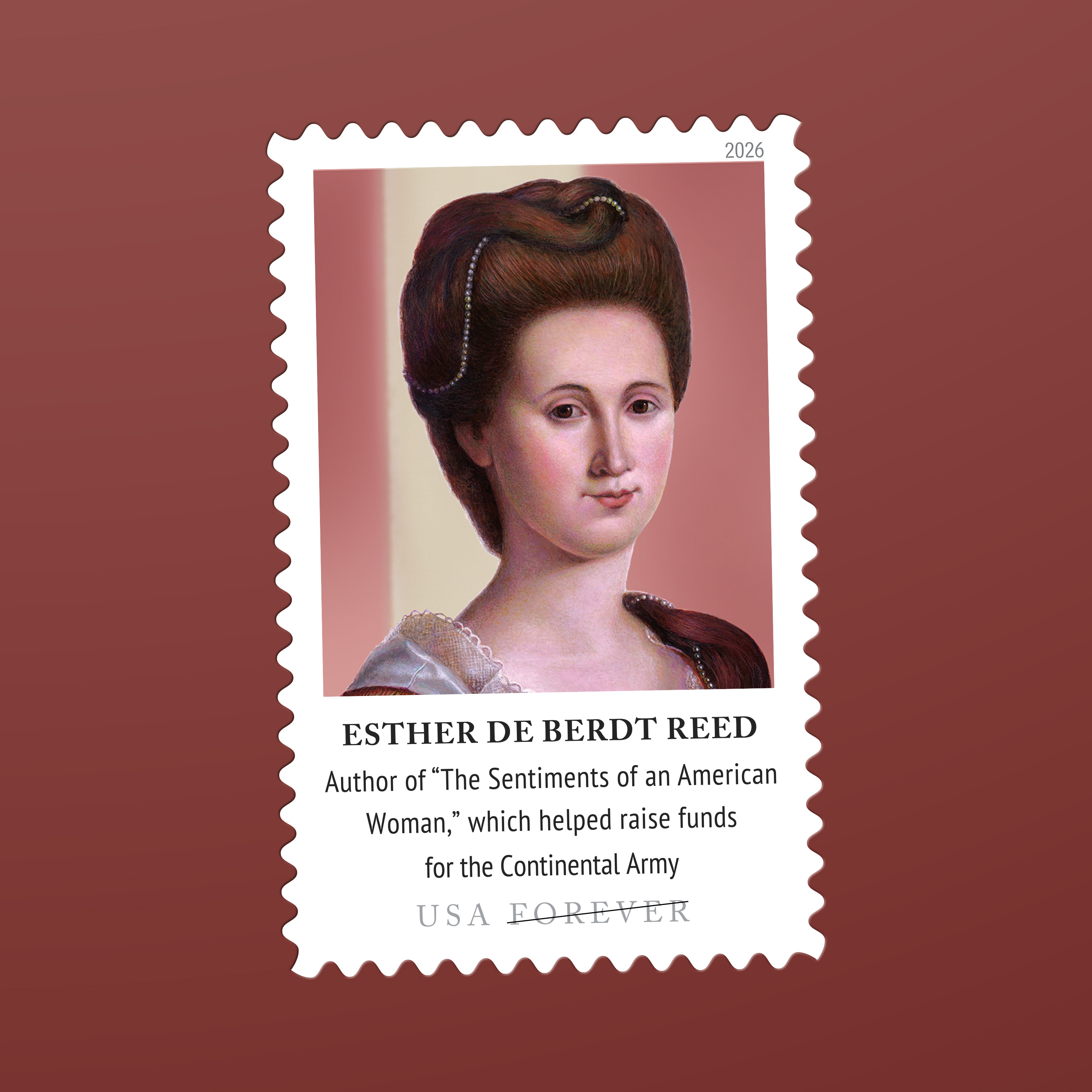
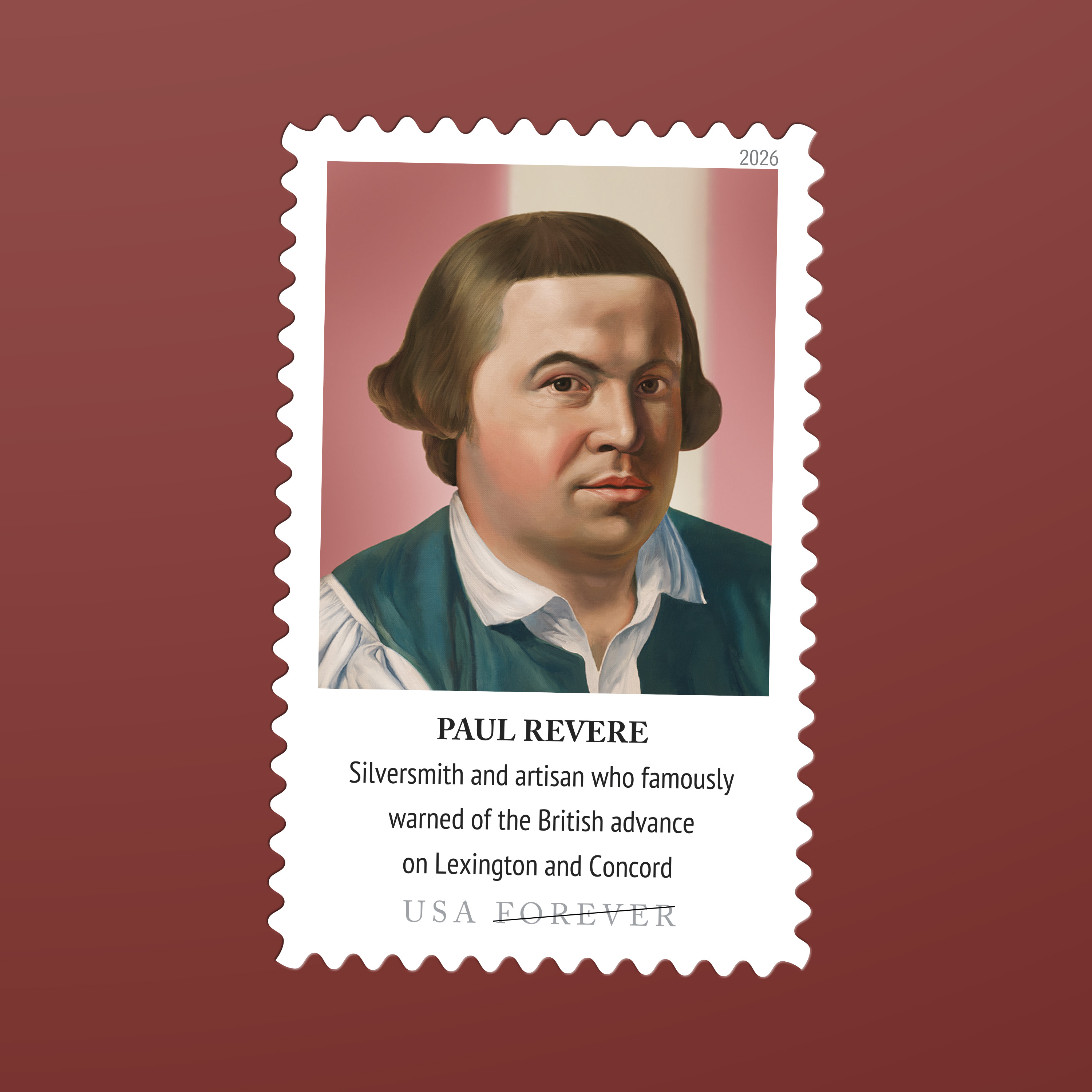

Bringing Complex History to Life
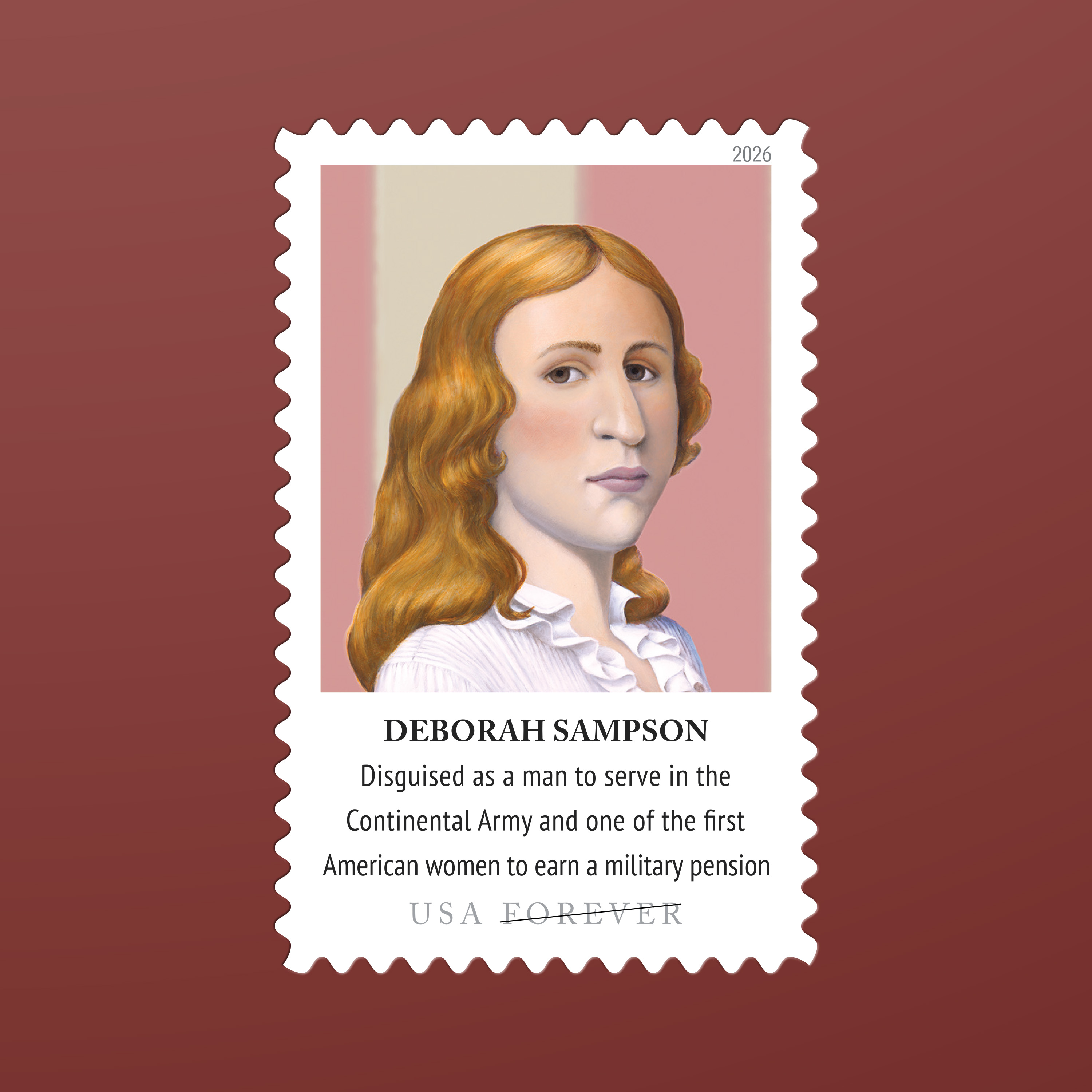
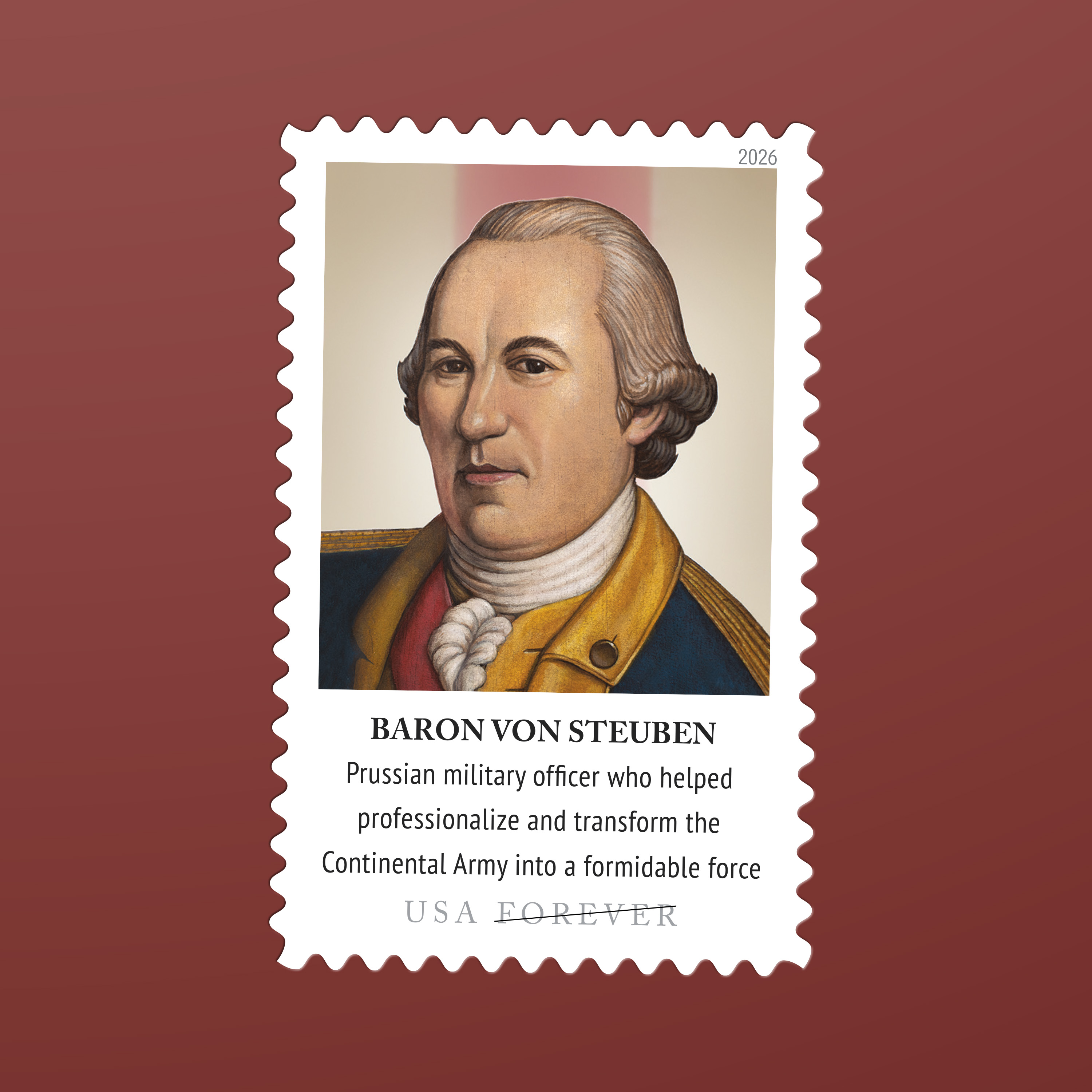
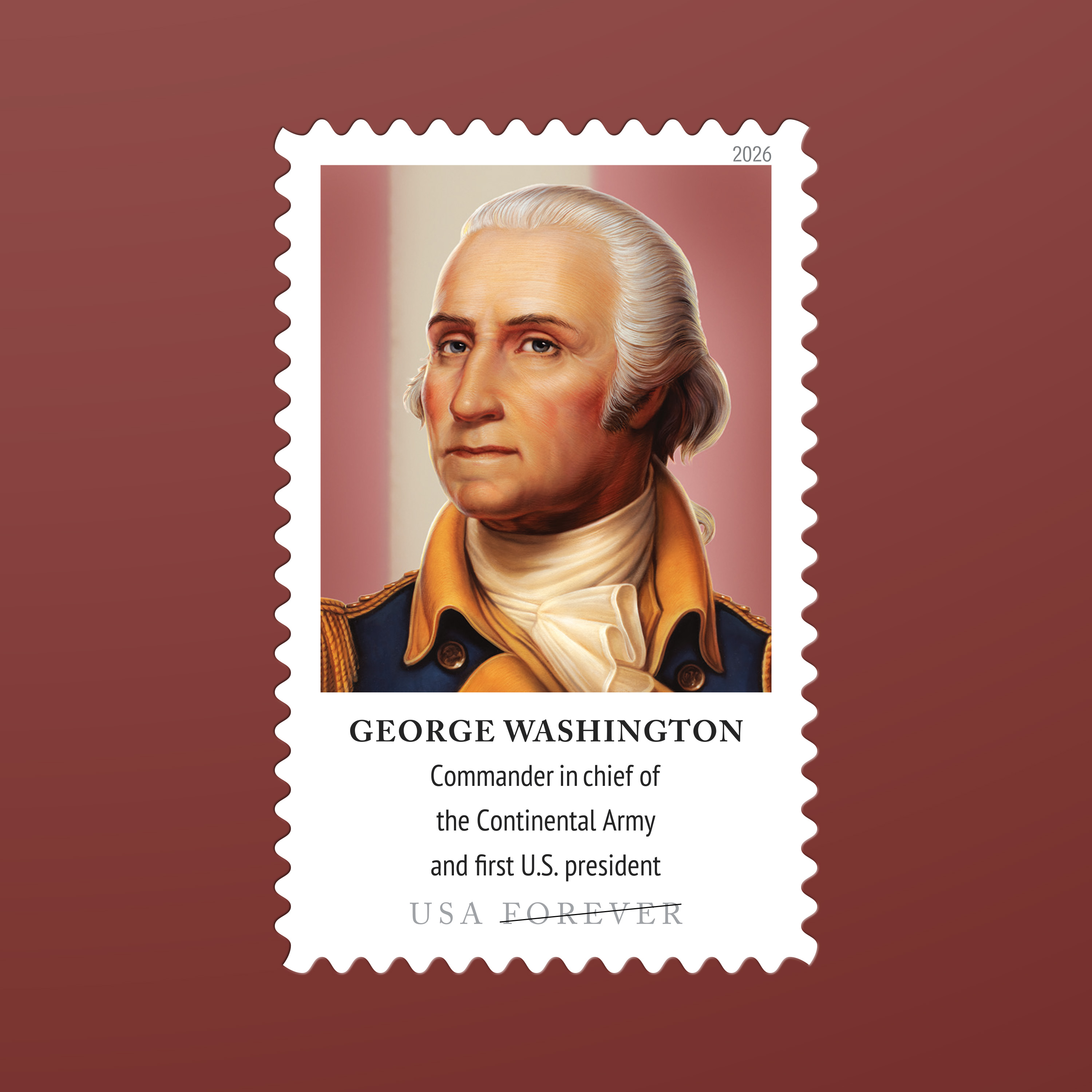
With the list of honorees established, the next challenge was translating names into captivating portraits. Kessler enlisted 12 artists, each with their own style and perspective. Her goal was not uniformity, but clarity, individuality, and cohesion. Each figure, Kessler explains, needed to stand out while also feeling part of a single story.
Some subjects had abundant historical references. Others presented the artists with limited visual material, requiring careful interpretation.
“Working with minimal source material, especially for Agwalongdongwas, Cornplanter, and Elizabeth Freeman, I felt I was creating a new record of what these people might have looked like,” says artist Tim O’Brien, reflecting on the weight of depicting lesser-known figures. “That made every brushstroke feel important.” Julia Bottoms had a similar experience with Lemuel Haynes. “The black-and-white etching I used is the only known image of him,” she explains. “Bringing color, presence, and personality to that single reference is a privilege and a responsibility.”
Even familiar figures demanded meticulous study. Michael J. Deas examined a replica of Bernardo de Gálvez’s uniform to ensure authenticity, while Roberto Parada and other artists studied classical portrait techniques to create images that feel historically grounded yet vibrant. Some portraits nod to 18th-century traditions, while others employ contemporary sensibilities in color, line, and expression. The result is a rich mix of styles that echoes the Revolution itself: varied, dynamic, and unified by shared purpose.
Kessler emphasizes that the artistic variety is intentional. “By allowing modern artists to investigate the past in their own style, while remaining true to likenesses, the stamps embody warmth and heart,” she says. The roster of artists also spans generations and experience, mirroring the pane’s theme of familiar and new perspectives coming together.
Pane of 25
One Pane, Many Connections
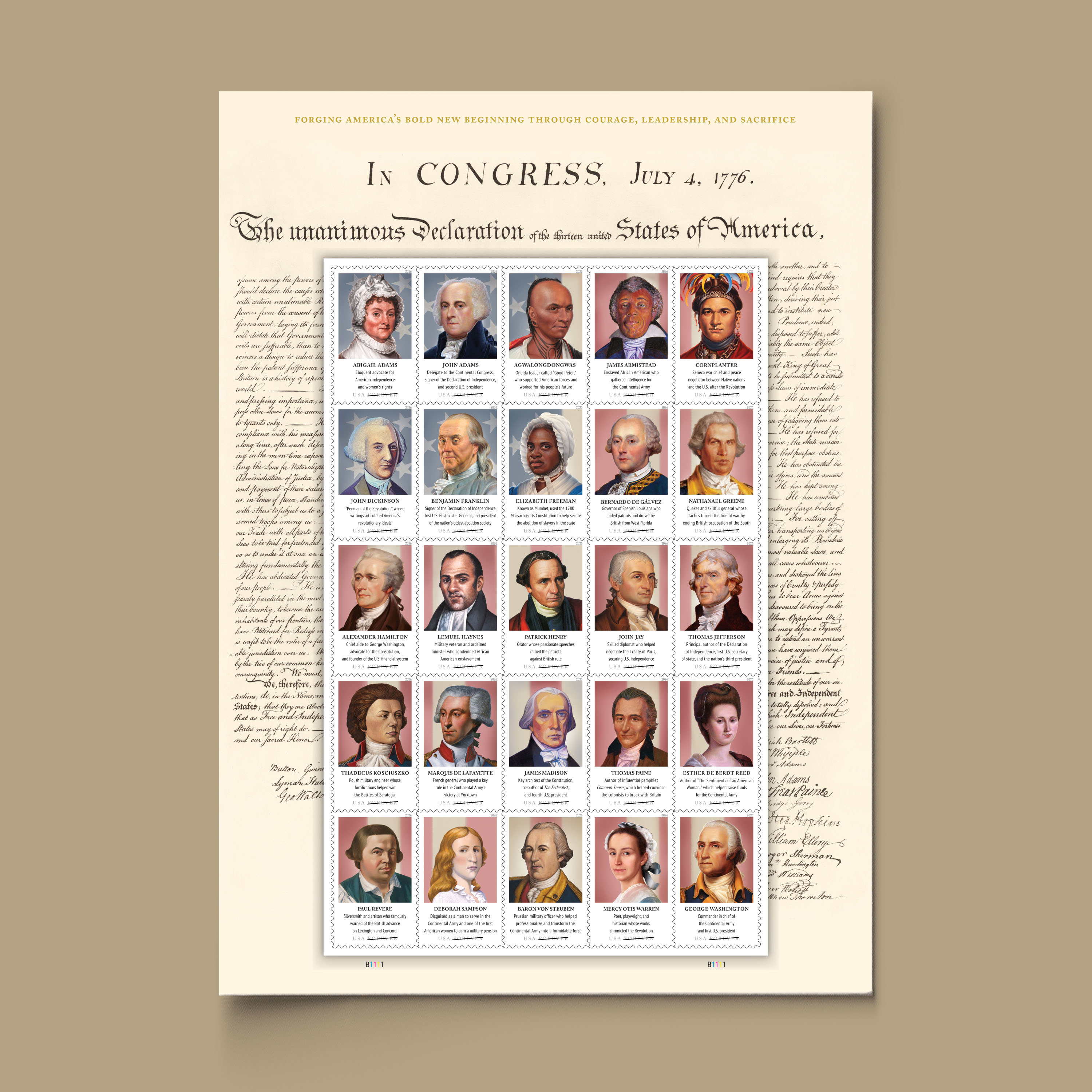
Once the portraits were complete, the next step was arranging them as a single, cohesive pane. Kessler arranged the 25 stamps in five rows of five, alphabetically by last name, so each figure receives equal attention. Names and brief identifying lines appear below each portrait, giving viewers immediate context.
A screened-back American flag in the background visually links the portraits, while the larger backdrop of the Declaration of Independence anchors the pane in a defining historical moment. Differences in gaze, posture, and expression create a sense of movement and conversation. Some figures look directly at the viewer, others glance at their neighbors on the pane, and still others seem lost in thought. The arrangement encourages viewers to linger, noticing contrasts and uncovering unexpected relationships that together tell a collective story.
Celebrating a Shared History
More than a collection of portraits, the Figures of the American Revolution stamp pane celebrates the collaborative spirit that defined the era, honoring both familiar and overlooked individuals whose choices shaped the nation. By combining careful research, diverse artistic styles, and thoughtful design, the pane transforms history into a compelling visual narrative that is as accessible as it is meaningful.